with the rapid expansion of regional digitalization and cloud services, technological innovation and development trends in thailand's computer room construction have become the focus of the industry. this article analyzes key areas such as power management, cooling solutions, modular deployment, network interconnection and sustainability, aiming to provide practical reference for operators, enterprises and project parties.
as an important digital hub in southeast asia, thailand’s demand for data traffic and cloud services continues to grow. government digital policies and foreign investment promote the construction of computer rooms, but they also face land, energy consumption and compliance challenges. the market background determines that technology selection must take into account cost, reliability and scalability.
power supply and efficiency are at the core of computer room design. thailand's computer rooms are increasingly adopting smart power distribution and high-efficiency ups systems, refined energy consumption monitoring, and strategies to collaborate with renewable energy to improve power utilization and reduce operational risks while coping with the challenges of local power grid fluctuations.
cooling systems have a significant impact on energy consumption. the use of hot and cold aisle separation, liquid cooling or partial immersion cooling, and ai-based temperature and air flow optimization can effectively reduce pue. combining technologies such as air energy utilization and heat exchangers can achieve more stable and energy-saving operation in thailand's high temperature environment.
modular and prefabricated solutions are popular in the thai market because they shorten the construction cycle, facilitate expansion and standardize operation and maintenance. containerized computer rooms and module racks can support edge deployment and rapid production, adapting to the actual needs of local projects in terms of time and cost control.
low latency and highly reliable network interconnection are the competitiveness factors of computer rooms. thailand's computer rooms are gradually strengthening backbone optical cable access, operator-neutral switching points, and sdn/nfv architecture to improve flexibility and bandwidth utilization efficiency to cope with cross-border traffic and delay-sensitive applications.
taking into account the risks of natural disasters and power supply, thailand's computer rooms tend to be strict in site selection, redundancy design and disaster recovery strategies. multi-point backup, distributed architecture, real-time monitoring and drill mechanisms jointly improve business continuity and recovery capabilities and reduce the impact of single-point failures on services.
green and low-carbon has become the long-term development direction. the computer room gradually reduces its carbon footprint by improving energy efficiency, adopting renewable energy procurement, promoting equipment recycling and waste heat utilization and other practices. sustainable design simultaneously enhances corporate social responsibility and market competitiveness.
taken together, the construction of computer rooms in thailand is evolving towards high efficiency, modularization, networking and sustainability. project parties should prioritize clarifying business needs, assessing local power and environmental conditions, and introducing energy efficiency and disaster recovery designs at an early stage to achieve long-term controllable operating costs and reliability.
- Latest articles
- How To Know If It Is A Hong Kong Native IP? Common Misunderstandings And Explanations Of Accurate Determination Methods
- Practical Steps On How To Verify Whether Tencent Cloud Hong Kong Servers Are Fast When Choosing A Computer Room And Operator
- How To Tell If The Cheapest US Server Is Reliable When You're On A Budget
- How To Use Trial And Refund Strategies To Reduce The Risk Of Purchasing A Cheap Thailand Vps
- How To Evaluate The Reliability And Security Of Thailand IDC Computer Room Hosting Providers
- Thailand Lightweight Cloud Server Configuration Suggestions Suitable For Personal Blogs And Small E-commerce
- Enterprise-level Deployment Tencent Cloud Korea Vps Load Balancing And High Availability Solution Implementation Practice
- How To Upload And Distribute Japanese Private Vps Video Content To Improve User Viewing Experience
- Detailed Explanation Of The Application Scenarios Of Cn2 Japan Server In Overseas Backup And Disaster Recovery
- Qualifications And Network Connectivity Points That You Must Pay Attention To When Choosing A Cn2 Partner In Cambodia
- Popular tags
-
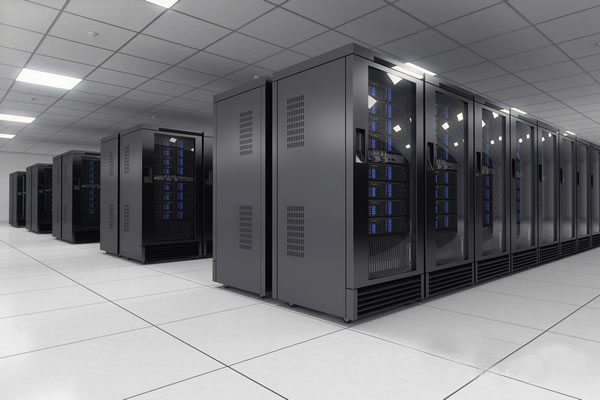
How To Choose A Suitable Computer Room Server In Thailand
there are many factors to consider when choosing a suitable computer room server in thailand, including network stability, service quality and security. this article will provide detailed guidance. -
Latest Thailand Computer Room Fraud Incidents And Preventive Measures
this article discusses the latest thailand computer room fraud incidents and preventive measures to help readers increase their vigilance and protect their own interests. -

Assessing Buying And Selling Opportunities After The Decline In Housing Prices In Thailand From A Medium- To Long-term Perspective
Evaluate buying and selling opportunities after the decline in house prices caused by Thailand's financial crisis from a medium- to long-term perspective, covering macro policies, supply and demand structure, regional differences, determination indicators, exit strategies and compliance points, providing a professional and operational decision-making framework.